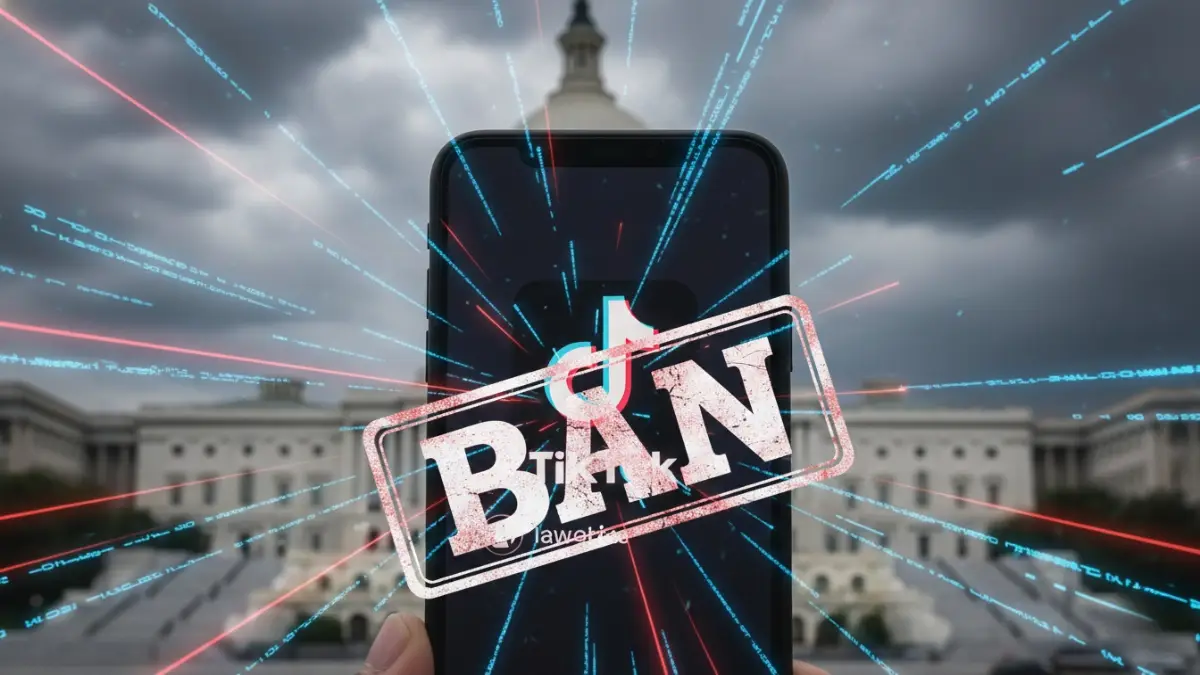
The United States government has issued a high-stakes final warning to TikTok’s parent company ByteDance. This move comes as the mandatory divestiture deadline approaches under federal law.
White House officials confirmed late Wednesday that no further extensions will be granted to the social media giant. National security advisors insist that the platform must be sold to an American entity or face a total blackout.
The looming ban is part of a broader escalation in the ongoing trade and technology war between Washington and Beijing. Relations have soured further following new reports of data security vulnerabilities.
A senior administration official stated that the protection of American user data remains a non-negotiable priority. They argued that the current ownership structure poses an unacceptable risk to national intelligence.
TikTok has repeatedly denied any allegations that it shares user information with the Chinese government. The company is currently engaged in a massive legal battle to block the enforcement of the ban.

Legal experts suggest that the case could reach the Supreme Court within the coming months. Millions of American creators and small businesses are watching the proceedings with growing anxiety.
In addition to the software ban, new tariffs on Chinese technology imports have gone into effect this week. These measures target semiconductor chips and electric vehicle components manufactured in China.
The Department of Commerce announced that these steps are necessary to protect domestic industries from unfair competition. This policy has triggered immediate retaliatory threats from China’s Ministry of Commerce.
The economic impact of these trade barriers is already being felt across the global tech sector. Stock prices for several major electronics manufacturers saw a sharp decline following the latest announcement.
In Washington, lawmakers are divided over the speed and severity of the proposed TikTok shutdown. Some argue it is a necessary defense, while others worry about the impact on free speech.
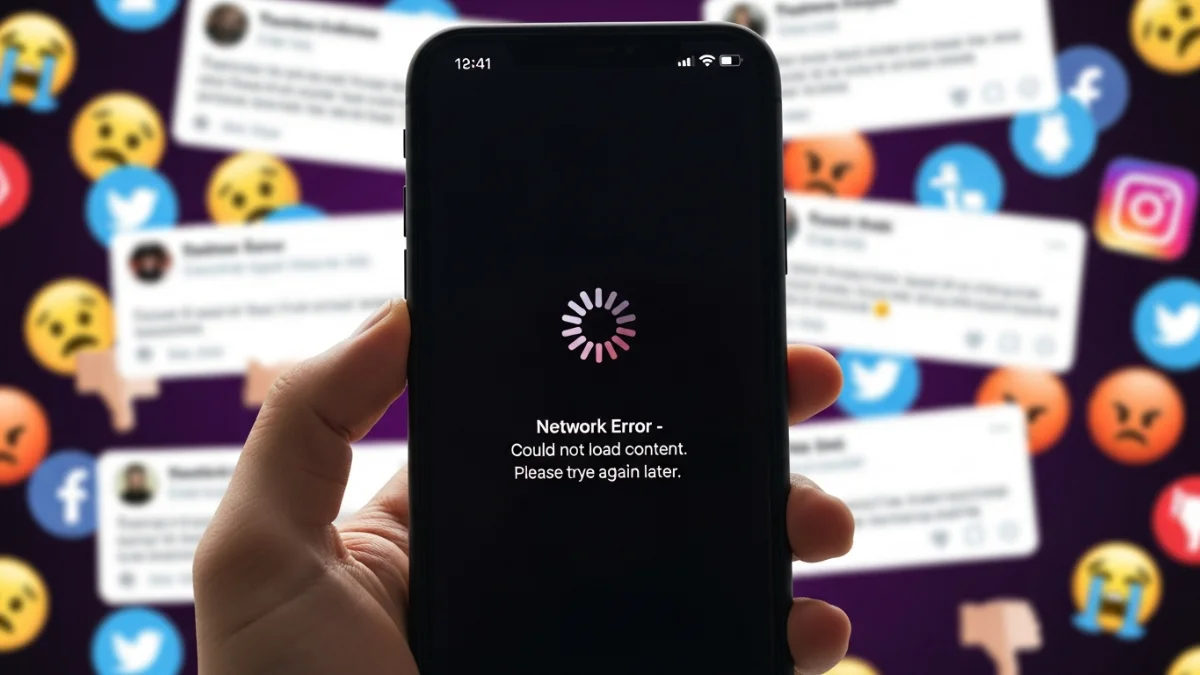
Digital advocacy groups have launched nationwide campaigns to save the platform from being removed from app stores. They claim that the ban will silence millions of young American voices and entrepreneurs.
Despite the protests, federal agencies have already begun technical preparations for a potential service disruption. Internal memos suggest that internet service providers may be ordered to block TikTok traffic soon.
The technological tug-of-war is also influencing global diplomatic relations with U.S. allies. Countries in Europe and Asia are now considering whether to implement similar restrictions on Chinese software.
Cybersecurity analysts warn that a total ban could lead to a rise in unofficial and dangerous third-party app versions. They urge users to remain cautious about where they download social media tools.
The White House remains firm in its stance that national security outweighs social media access. The administration has called on ByteDance to act quickly to finalize a sale to a domestic buyer.
As the clock ticks down, the future of the world’s most popular short-form video app remains highly uncertain. The outcome of this standoff will likely define U.S.-China relations for the next decade.