What should have been one of the most joyous moments in their lives turned into a devastating disappointment for dozens of aspiring American citizens across the country. At naturalization ceremonies nationwide, hopeful immigrants who had spent years navigating the complex path to citizenship found themselves excluded at the last minute due to new Trump administration policies.
The scene at Boston’s historic Faneuil Hall – a symbol of American liberty since the Revolutionary War – exemplified this heartbreaking situation. As ceremony participants arrived ready to take their oath of allegiance, U.S. Citizenship and Immigration Services (USCIS) staff began asking each person about their country of origin. Those from nations on Trump’s travel ban list were then pulled aside and sent home, despite having successfully completed the rigorous years-long vetting process required for citizenship.
A Haitian Woman’s Shattered Dream
Among those turned away was a Haitian nursing assistant in her 50s who had called America home for nearly 25 years. Gail Breslow, executive director of Project Citizenship, described the woman’s devastation after being denied what legal experts say was rightfully hers under U.S. law.
“Our client hadn’t received USCIS’s written notification on time and turned up expecting to become a citizen,” Breslow explained. “She told us she was not alone in this and the same thing happened to others. The image of officers going down a line and asking people where they were born, and based on the answer that they gave, pulling them out of line and sending them home is gut-wrenching.”
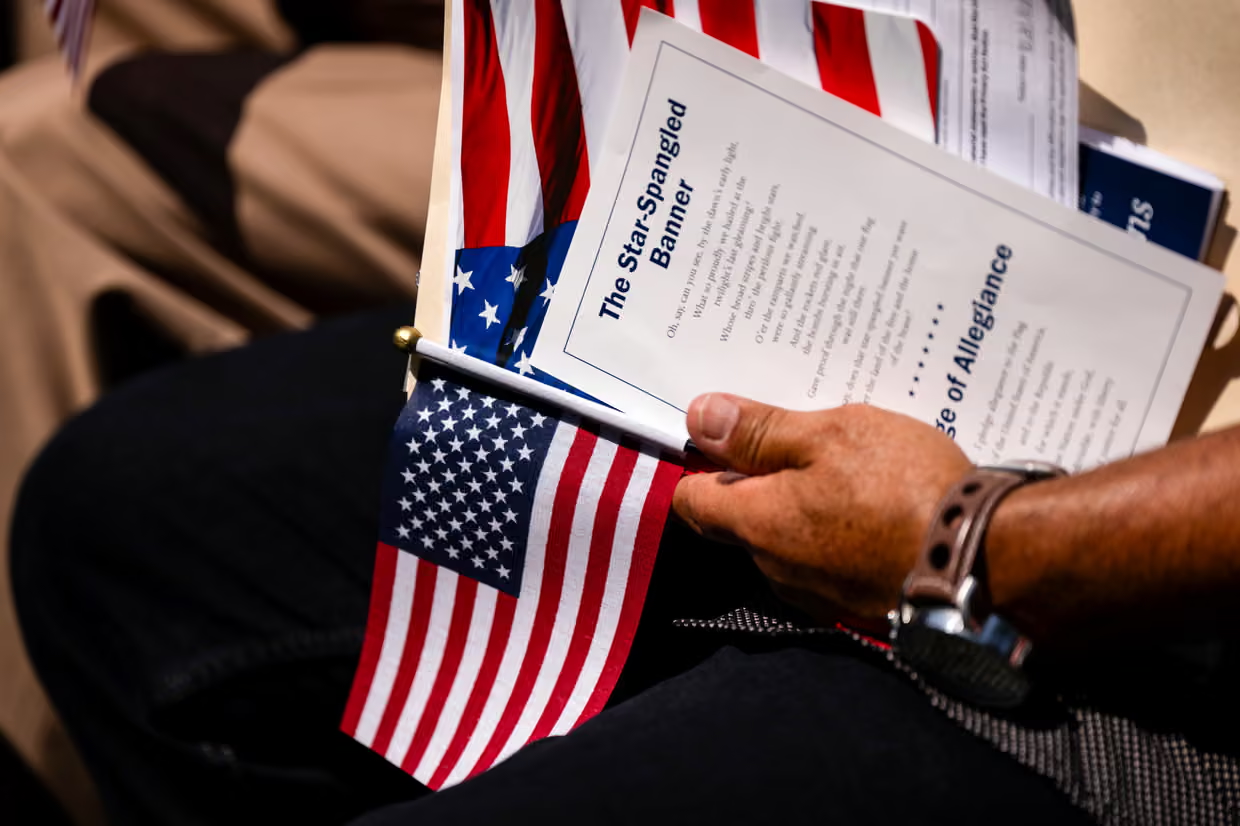
The contrast was stark and painful. While some immigrants celebrated with family members, waving small American flags in moments of pure joy and pride, others faced exclusion based solely on their birthplace – creating what Breslow called “the most un-American image I can conjure.”
Nationwide Policy Changes Affect Thousands
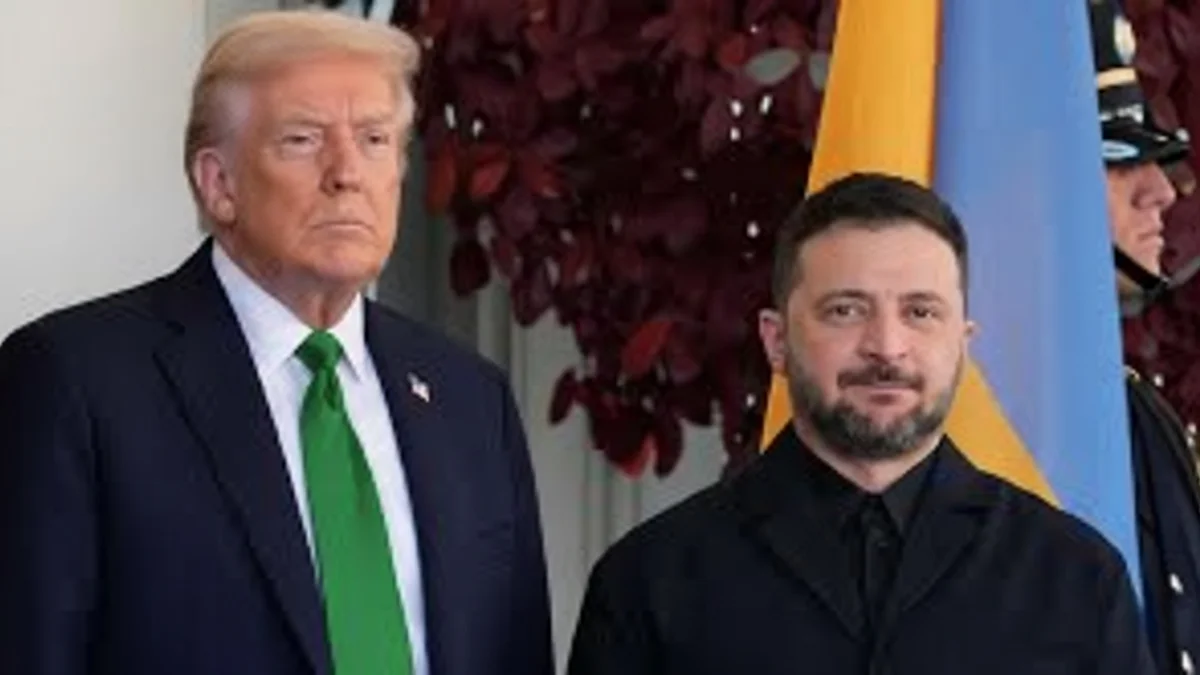
This disturbing scene has played out in cities across America following a December 5th USCIS memorandum that suspended immigration proceedings for nationals from 19 countries on Trump’s ban list. The directive came after the November 26th shooting of two National Guard troops in Washington D.C., allegedly by an Afghan national who had been granted asylum earlier that year.
The memo stated: “In light of identified concerns and the threat to the American people, USCIS has determined that a comprehensive re-review, potential interview, and re-interview of all aliens from high-risk countries of concern who entered the United States on or after January 20, 2021 is necessary.”
Immigration advocacy groups report ceremony cancellations in major cities including Philadelphia, New York, Los Angeles, Miami, Milwaukee, Houston, St. Louis, and Omaha. The affected nationalities span multiple continents, including citizens from Iran, Haiti, Sudan, Yemen, Venezuela, Afghanistan, Sierra Leone, Guinea, and Libya.
Impact Beyond Naturalization Ceremonies
The policy changes extend beyond oath ceremonies, affecting green card interviews and naturalization interviews as well. Greg Chen, senior director for government relations at the American Immigration Lawyers Association, confirmed cases in over 16 cities involving these multiple stages of the immigration process.
A Libyan doctor, who requested anonymity through his lawyer, shared his frustration after his green card application was halted despite working in the U.S. for a decade. He specializes in developing AI diagnostic tools for lung cancer treatment and entered on an extraordinary ability visa.
“I never imagined that in the United States I would be targeted because of my nationality and religious background, particularly by the authorities,” the doctor wrote. “I invested years of relentless effort in this journey… I pursued the American dream in good faith, believing in this country as a land of opportunity. Now, as I reach the final stages of my permanent residency process, my future appears jeopardized solely because of my country of origin.”
Afghan Community Feels Betrayed
The impact has been particularly devastating for Afghan immigrants, nearly 200,000 of whom arrived under the Biden administration’s Operation Allies Welcome program following the 2021 military withdrawal. Many feel singled out and betrayed after serving alongside American forces.
Fatima Saidi, director of We Are All America, expressed the community’s complex emotions: “We feel guilt and shame that that guy was part of our community. But he was also a part of American militarism. He joined the US army when he was 15 and was trained.” She noted that the shooter, Lakanwal, had actually served in an Afghan unit operating under CIA direction.
“Most of them feel they have done so much for America, the veterans and the state department,” Saidi added, describing the hopelessness among Afghan allies who risked their lives supporting American operations.
Broader Implications for Immigration Policy
Immigration experts warn that these policies represent a broader assault on legal immigration pathways. Nicole Melaku, executive director of the National Partnership for New Americans, sees an ominous pattern emerging.
“The strategy of the administration began with an assault on undocumented immigrants, and now he [Trump] is going after those with legal status and trying to move them into his deportation pipeline through administrative processes,” Melaku explained. “Everything here feels like part of a larger, ominous agenda to have exclusion, going back to times where we had the Chinese Exclusion Act.”
Denaturalization Efforts on the Horizon
Adding to these concerns, recent guidance to USCIS field offices signals an unprecedented assault on Americans who have already been naturalized. The New York Times reported that offices have been instructed to supply 100-200 denaturalization cases per month during fiscal year 2026 – a massive escalation from the 120 cases filed between 2017 and 2025.
While federal law typically requires proof of fraud during the application process to revoke citizenship, a Justice Department memo from last June appears to broaden these parameters to include people who “furthered criminal gangs,” committed undisclosed felonies, or “engaged in fraud against private individuals” – categories that don’t necessarily require criminal convictions.
An immigration policy expert, speaking anonymously, warned: “People who have had their naturalization interviews and ceremonies canceled… and then also stripping citizenship from already naturalized Americans – they’re like two halves of the same coin to make more of our community members subject to detention and deportation.”
Human Cost of Policy Changes
For the individuals caught in this bureaucratic nightmare, the emotional toll is immense. Project Citizenship has witnessed 21 clients receive oath ceremony cancellations and more than 200 cases paused at earlier stages. Many refuse media interviews, fearing they could become targets for Immigration and Customs Enforcement raids.
“We’ve had clients in tears asking us, what did they do wrong,” Breslow shared. “What did they do to deserve this? People are very distraught.”
These policy changes represent a fundamental shift in how America treats those seeking to join its citizenry legally. For many who have invested years of their lives, significant financial resources, and unwavering faith in the American dream, the current situation feels like a betrayal of the very values that have traditionally defined the United States as a nation of immigrants.
As the Trump administration continues to implement these sweeping changes to immigration policy, thousands of aspiring Americans find themselves in limbo, uncertain whether their dreams of citizenship will ever be realized or if they too might face the heartbreak of exclusion at the very moment they expected to celebrate becoming Americans.